

Buying pontoon boats for a rental business is different from choosing one boat for private leisure. A fleet operator must balance guest appeal with boarding speed, cleaning, maintenance, staff training, storage and consistent replacement parts.
This checklist helps rental companies and resort operators prepare a comparable request for quotation. It does not prescribe one universal configuration. Final specifications, operating suitability and destination requirements must be confirmed for the selected project.
Quick fleet procurement matrix
| Decision area | Information to give suppliers | What to compare |
|---|---|---|
| Operating profile | Water conditions, season, daily trips and trip length | Fit for the actual duty cycle |
| Passenger plan | Target guests, crew, boarding needs and luggage | Usable layout and circulation |
| Fleet standard | Number of units and preferred common configuration | Repeatability across the fleet |
| Equipment scope | Engine, steering, shade, furniture and accessories | Included, optional and excluded items |
| Maintenance | Cleaning routine, storage and service access | Downtime and maintenance workflow |
| Delivery | Destination, port, trailer and handover point | Responsibility and logistics boundary |
| Documentation | Required drawings, manuals and inspection records | Availability for the quoted scope |
| Support | Spare-parts process and after-sales contact | Practical support after delivery |
Use the same matrix for every supplier. A lower quotation is not necessarily a lower total cost if important equipment, documentation or destination handling is excluded.
1. Define the rental operation before selecting a model
Start with the business model. Tell the supplier whether the boats will serve hourly rentals, guided tours, hotel guests, club members or a mixed operation. Record the expected season, daily operating cycles, typical trip duration, docking frequency and storage method.
Also describe the operating water and route. Sheltered lakes, inland waterways and coastal environments can create different operating and maintenance questions. The supplier needs this context before discussing layout and equipment.
2. Set a realistic passenger and boarding plan
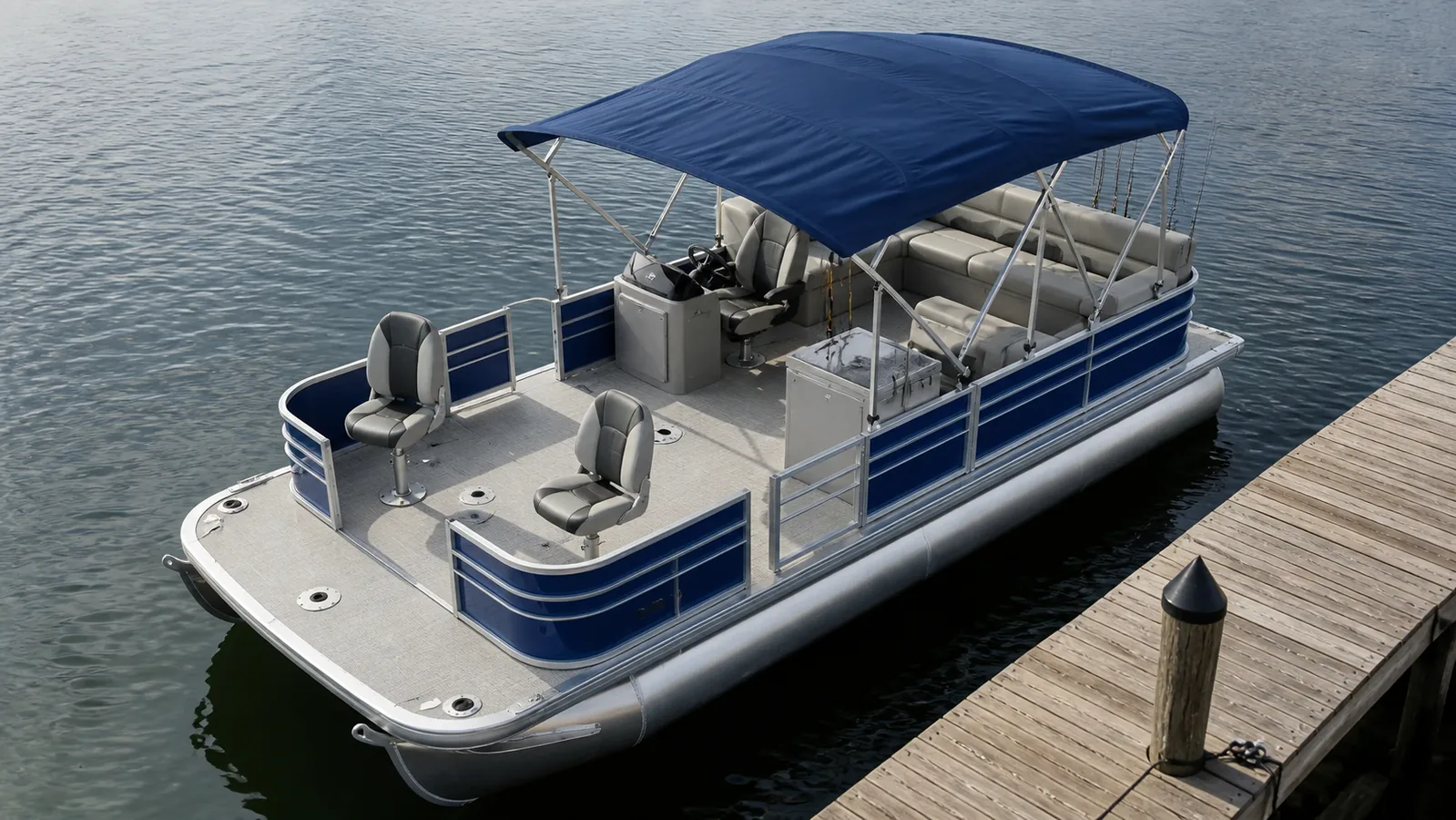
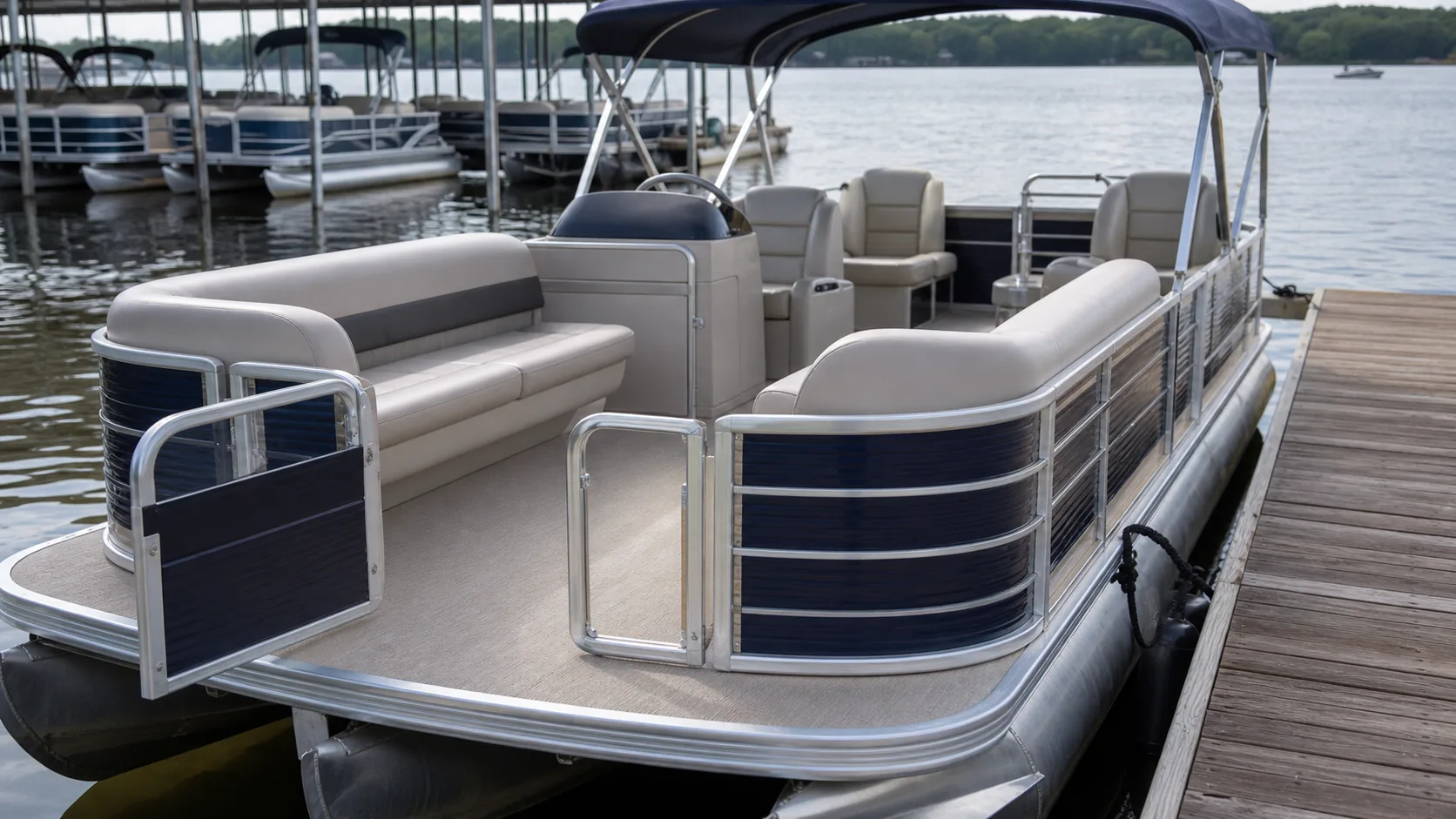
Capacity should not be treated as the only layout decision. Rental guests may carry bags, coolers or mobility equipment, while staff need clear access for check-in, boarding and turnaround.
Review:
- target guest count and crew arrangement;
- boarding side and dock height;
- entry width and circulation;
- seating and storage priorities;
- shade and weather protection;
- visibility for the operator;
- space needed for cleaning and safety checks.
Confirm final capacity and operating approval with the supplier and the relevant local authority. A marketing label alone does not establish suitability for a commercial rental route.
3. Standardize the fleet where it creates value
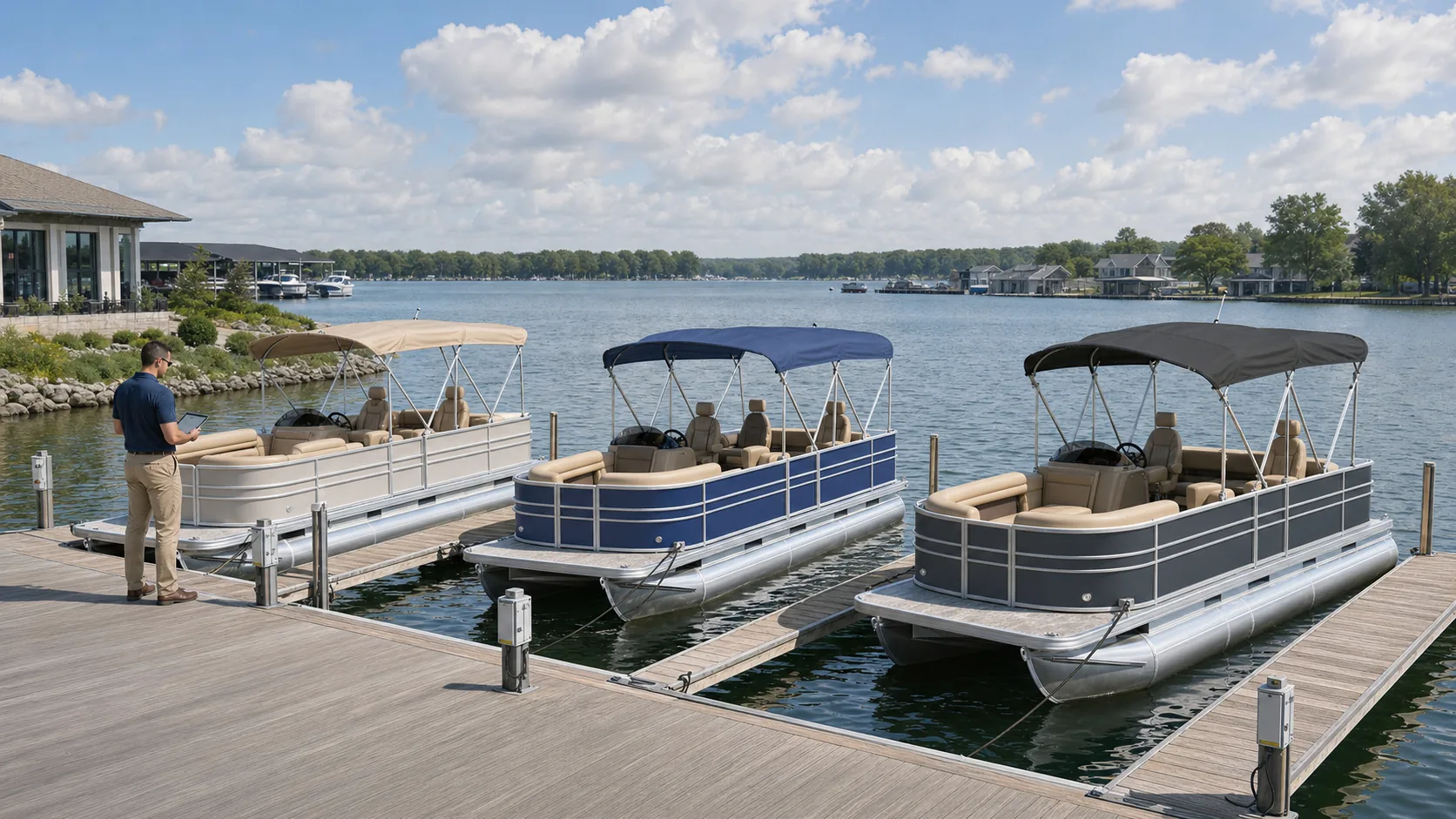
A repeatable base configuration can simplify staff training, spare-parts planning, cleaning and customer allocation. It can also make future orders easier to compare.
Create three lists:
- features required on every unit;
- options needed only for a specific route or customer group;
- cosmetic choices that can vary without changing operations.
Standardization should not remove necessary differences. A resort may need one accessible boarding layout, one premium guest layout and several standard rental units. The useful goal is controlled variation, not forced uniformity.
4. Write the engine and equipment boundary clearly
Ask each supplier to label every item as included, optional, buyer-supplied or excluded. The quotation should clarify the engine direction, steering, controls, gauges, electrical equipment, shade, furniture, trailer and installation responsibilities.
If engines or other systems will be sourced locally, confirm the interfaces, required information and commissioning responsibilities. Do not compare a hull-only scope with a ready-to-operate package.
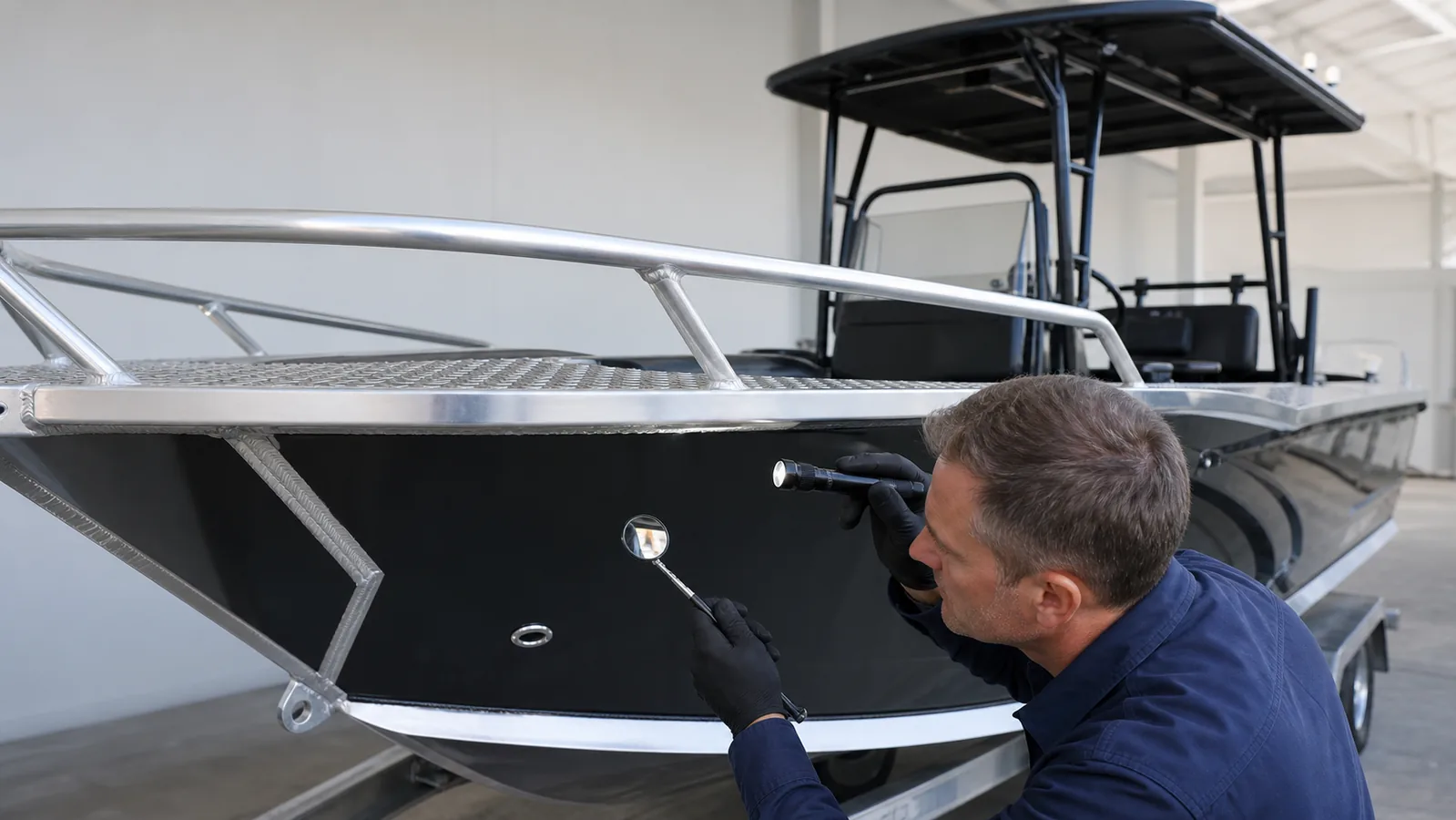
5. Evaluate cleaning, maintenance and downtime
Rental revenue depends on availability. Review how staff will inspect, clean and store each boat between customers and at the end of the day.
Useful supplier questions include:
- Which areas require routine access?
- How are upholstery, flooring and storage areas cleaned?
- Which consumable or replacement items should the operator plan for?
- What records or manuals are supplied for the final configuration?
- How are spare-parts questions handled after delivery?
Avoid unsupported service-life claims. Instead, compare the actual materials, construction details, maintenance instructions and support process offered for the quoted boat.
6. Plan the guest experience around operations
Guest appeal matters, but every feature should have an operational reason. Shade, seating, tables, storage, lighting and branding can support the rental offer when they fit the route and turnaround process.
For each option, ask:
- Does it improve the target guest experience?
- Does it slow boarding or cleaning?
- Does it require additional staff checks?
- Is it essential for the first fleet phase?
- Can it be standardized for later orders?
Operators considering a tourism-focused layout can also review Kinocean’s commercial pontoon boat guide for resorts.
7. Confirm destination and compliance inputs
Tell the supplier the country, operating location and intended commercial use. Ask which drawings, equipment schedules, production records and manuals can be provided for the quoted scope.
Import, registration, passenger operation, equipment and inspection requirements vary by destination. Verify them with the relevant local authorities and qualified professionals. Do not assume that a supplier document replaces local approval.
8. Compare delivery and handover as a complete scope
The RFQ should state the destination port or delivery point, trailer requirement, expected shipment method and planned operating date. Clarify who is responsible for inland transport, import procedures, unloading, assembly, commissioning and local engine work.
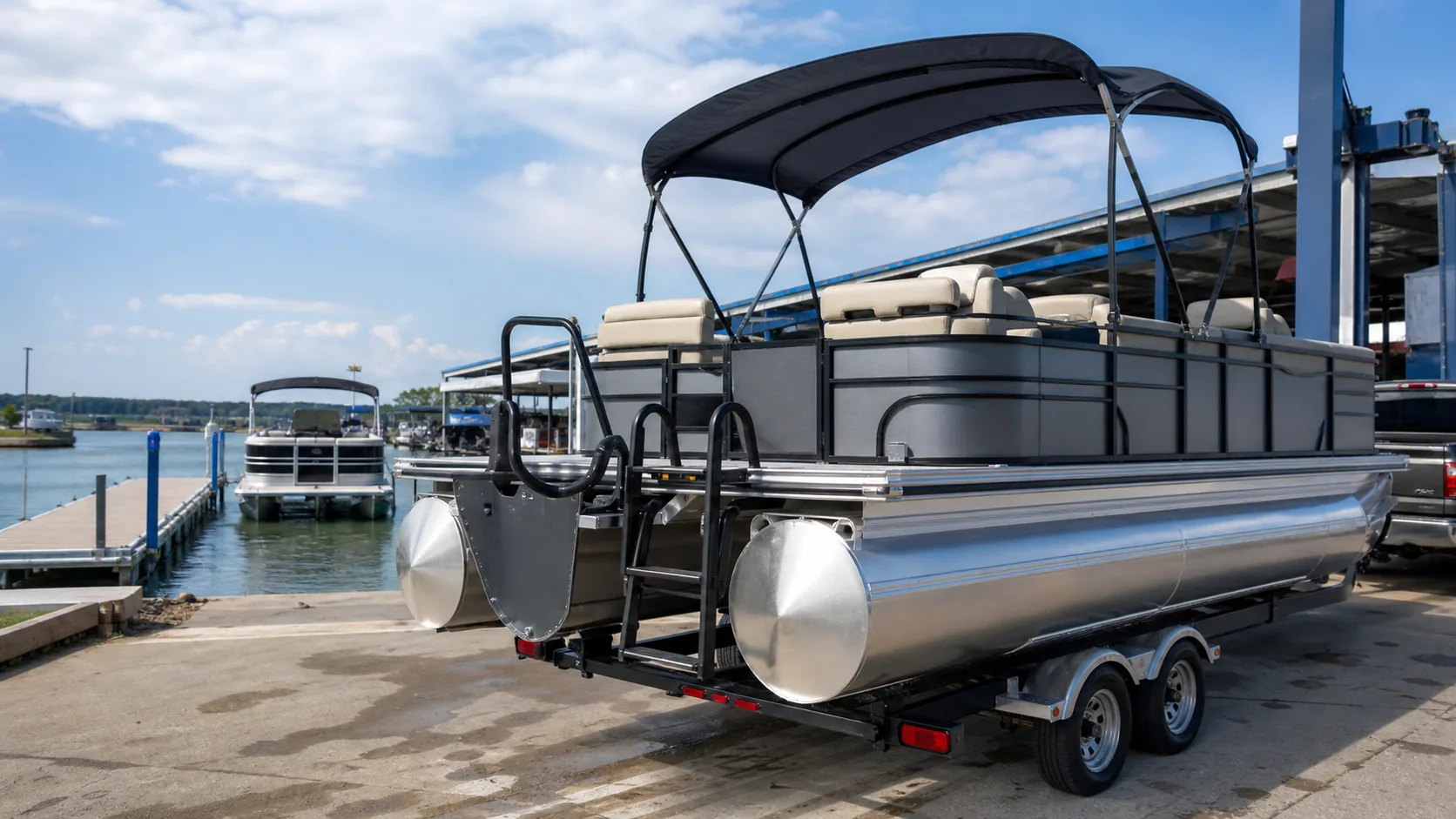
Ask for the quotation to show where the supplier’s responsibility ends. This makes freight and destination costs easier to compare without assuming that every proposal covers the same boundary.
9. Prepare a fleet-ready RFQ
Send these inputs to shortlisted suppliers:
- company and buyer type;
- rental, resort, club or tour application;
- operating country, water and route;
- target passengers and crew;
- estimated fleet quantity and rollout phases;
- preferred size or model direction;
- boarding, seating, shade and storage priorities;
- engine, steering, trailer and buyer-supplied items;
- color and branding scope;
- destination and requested delivery boundary;
- required documents and inspection questions;
- target operating date, subject to supplier confirmation.
How to score supplier responses
Score each response on five practical dimensions: operating fit, completeness of scope, documentation clarity, delivery boundary and support process. Record unanswered questions separately instead of converting them into assumed inclusions.
Buyers can review Kinocean’s pontoon boat range, request the current boat catalog, or explore the dealer program.
Request a fleet quotation
Send Kinocean your operating location, rental model, passenger target, estimated fleet quantity, destination and priority options through the project quote form. The response can then focus on a defined commercial scope rather than a generic boat price.
Final specifications, capacity, equipment, documentation, commercial terms and suitability must be confirmed for the selected project and destination. This article is procurement guidance, not regulatory approval.
Share this article
Have a boat project in mind?
Share your market, quantity plan and boat use. Kinocean can help narrow the model direction before you request a detailed quote.