

An OEM aluminum fishing boat project should begin with a commercial brief, not a list of attractive options. Dealers and importers need to define the market, boat role, configuration boundary, approval process and repeat-order logic before they can compare quotations fairly.
This guide helps B2B buyers organize that work. It does not replace engineering, registration, customs or destination-compliance advice. Final specifications and responsibilities must be confirmed in the project documents for the selected boat and market.
OEM fishing boat project matrix
| Decision area | Buyer input | Supplier confirmation |
|---|---|---|
| Target market | Country, sales channel, customer and water use | Suitable platform direction and questions to resolve |
| Boat role | Center console, cabin or other required operating concept | Current model and layout starting point |
| Configuration | Required functions, preferred options and local-supply items | Included, optional, excluded and buyer-supplied scope |
| Branding | Color, identity and dealer presentation requirements | Available process and approval inputs |
| Change control | Authorized approvers and revision method | Drawings, option list and revision record |
| Inspection | Review points and acceptance expectations | Evidence available for the agreed scope |
| Delivery | Destination, packing and handover boundary | Quoted logistics and supplier responsibilities |
| Repeat supply | Trial-order purpose and future product-line plan | Configuration record for later quotations |
1. Define the market before the boat
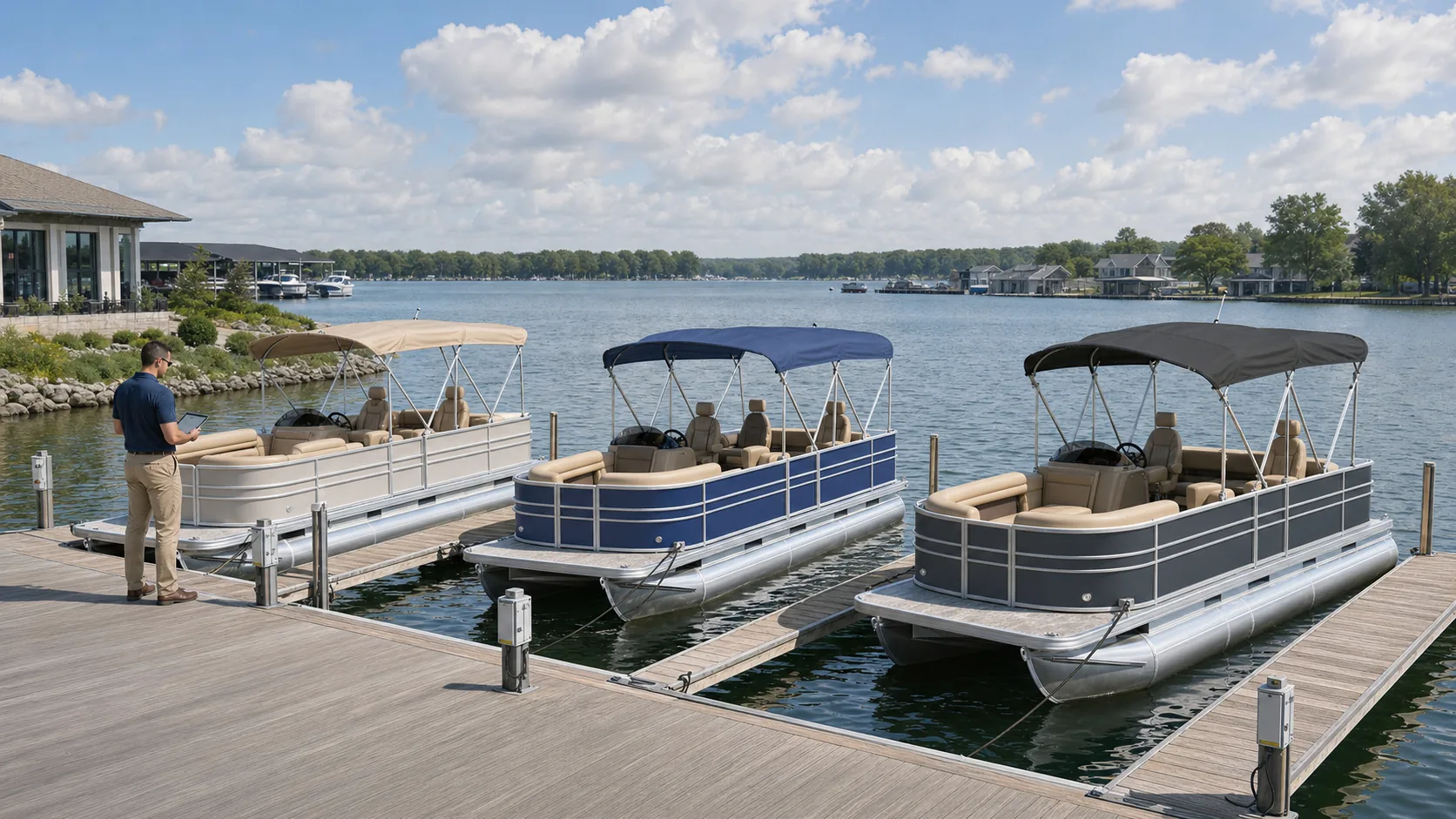
Customization has value only when it supports a buyer, an operating scenario or a sales position. Begin with the market you plan to serve and the problem the boat must solve.
Record the country, buyer type, common water conditions, intended fishing use, passenger profile, sales channel and expected first-order direction. A dealer selling to coastal charter operators may need a different product story from one serving inland recreational buyers or mixed fishing-and-family demand.
Keep this section commercial and practical. Do not turn it into a guessed technical specification. Its purpose is to help the supplier ask the right questions before model and equipment decisions begin.
2. Choose a base platform before adding options
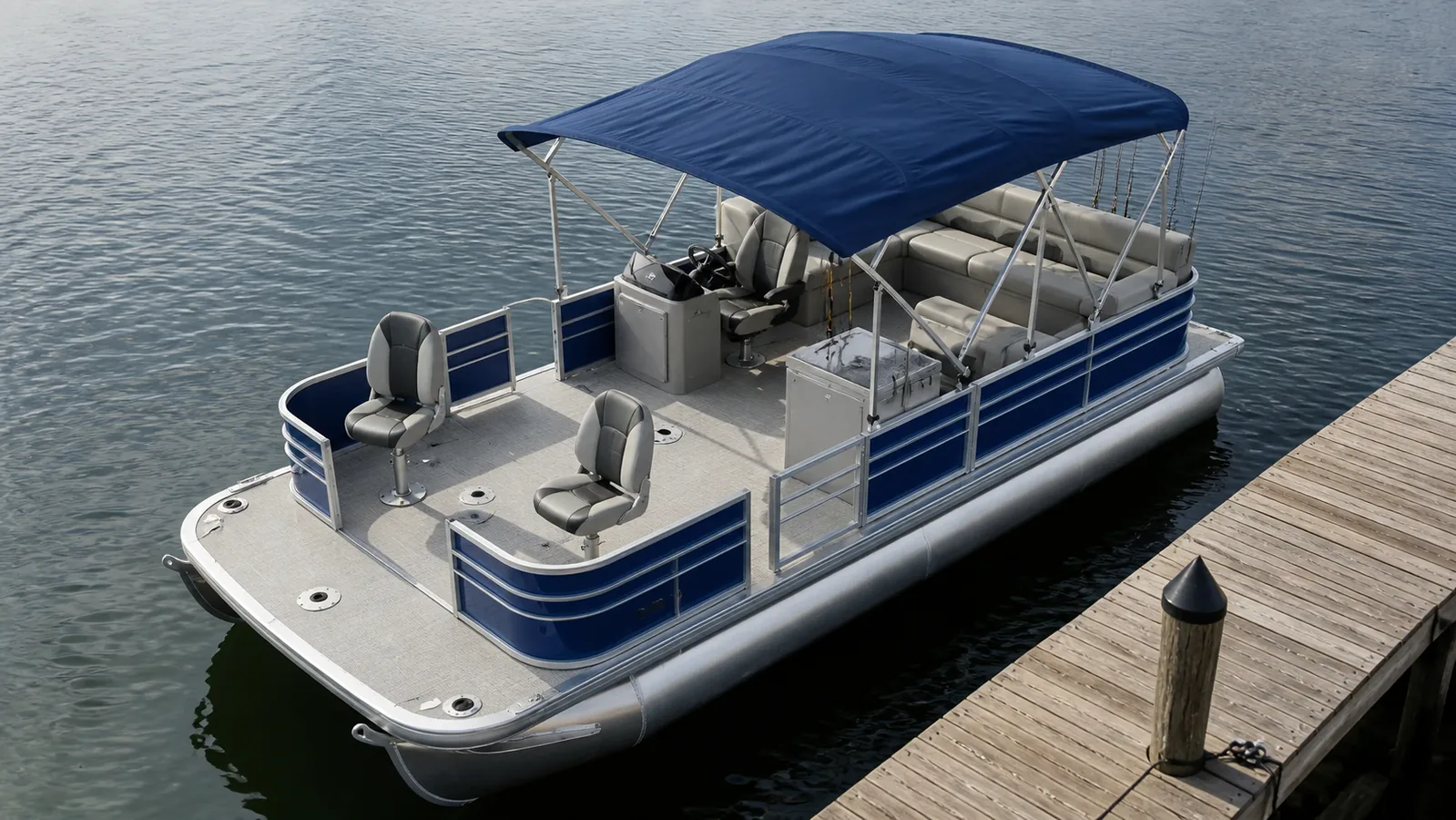
An OEM discussion becomes difficult when every detail is open at the same time. Start by reviewing the current Kinocean fishing boat range and identifying the closest platform direction. Then confirm which dimensions, layout, material, capacity and engine information applies to the exact configuration being quoted.
Separate the project into three layers:
- Base platform: the model and structural direction used as the starting point.
- Configurable scope: options and layout details the supplier confirms can be discussed for that platform.
- Buyer-supplied or local scope: engines, electronics, trailers, registration items or other work handled outside the factory quotation.
This separation prevents a buyer from comparing a complete package with a hull-only or partially equipped proposal.
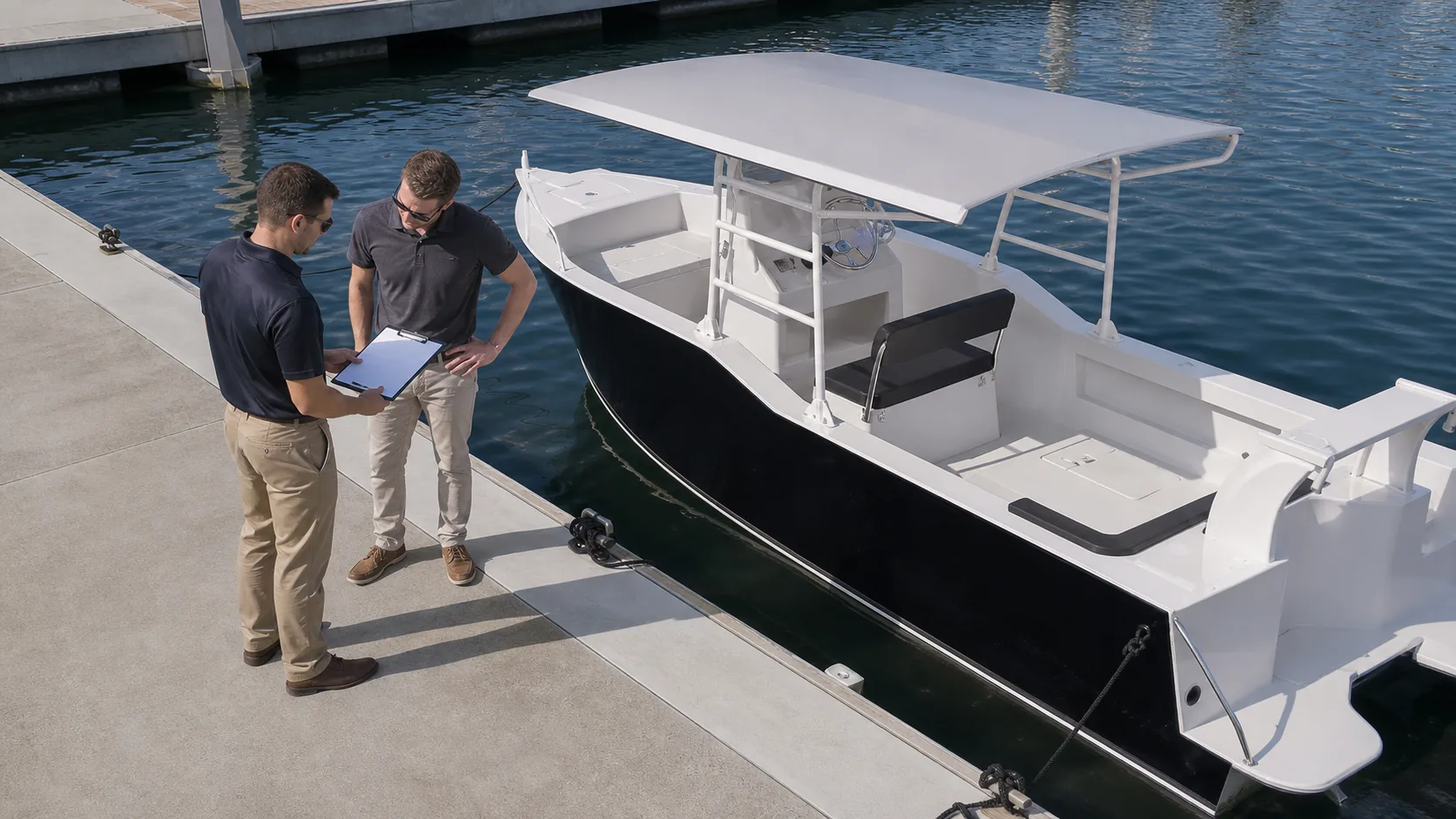
3. Build the layout around a fishing workflow
Describe how the boat should work during a normal trip. Note how people board, move around the deck, operate the helm, handle fishing equipment and use storage. If the project serves a dealer network, explain which functions are essential across the range and which belong only in a higher package.
Useful discussion points may include deck circulation, seating, storage, rod and bait workflow, washdown needs, weather protection, console visibility and service access. These are project questions, not promises that every option is available on every model.
Ask the supplier to show each agreed item on an option list, layout reference or other approval record. Visual agreement is more reliable than a long message thread with changing descriptions.
4. Define the equipment boundary in writing
For every major item, use one of four labels: included, optional, buyer-supplied or excluded. Apply the labels consistently across supplier quotations.
| Scope label | Meaning | Buyer check |
|---|---|---|
| Included | Part of the quoted configuration | Confirm brand, specification or approval reference where relevant |
| Optional | Available only when separately selected and priced | Confirm compatibility and effect on the rest of the scope |
| Buyer-supplied | Purchased or provided outside the supplier package | Confirm interfaces, installation and commissioning responsibility |
| Excluded | Not provided under the quotation | Plan the local supplier, cost and schedule dependency |
Potential discussion areas include steering, controls, electronics, livewell or bait systems, seating, shade, flooring, color, graphics, trailer and packing. Availability must be confirmed for the selected model.
5. Treat branding as a controlled production input
Private-label and dealer branding should be documented with the same discipline as equipment. Provide usable artwork, color references, placement preferences and an approval contact. Ask what production-ready information the supplier needs and how final placement will be confirmed.
Avoid approving brand execution only through a compressed screenshot. Keep the approved reference with the model, option list and project revision so later units can be compared with the same source record.
6. Create a simple change-control process
OEM projects often lose clarity when choices continue to change after a quotation is issued. A short change-control table helps the buyer and supplier see what was requested, why it changed and which version is current.
| Revision | Requested change | Reason | Scope impact | Approved by | Status |
|---|---|---|---|---|---|
| 01 | Initial configuration | Dealer project baseline | Base quotation | Named buyer approver | Under review |
| 02 | Example: option package revision | Market or operation requirement | Supplier to confirm | Named buyer approver | Pending |
Do not use this table to assume a price or delivery impact. Every change that affects commercial or technical scope must be reconfirmed in writing.
7. Align inspection with the approved configuration
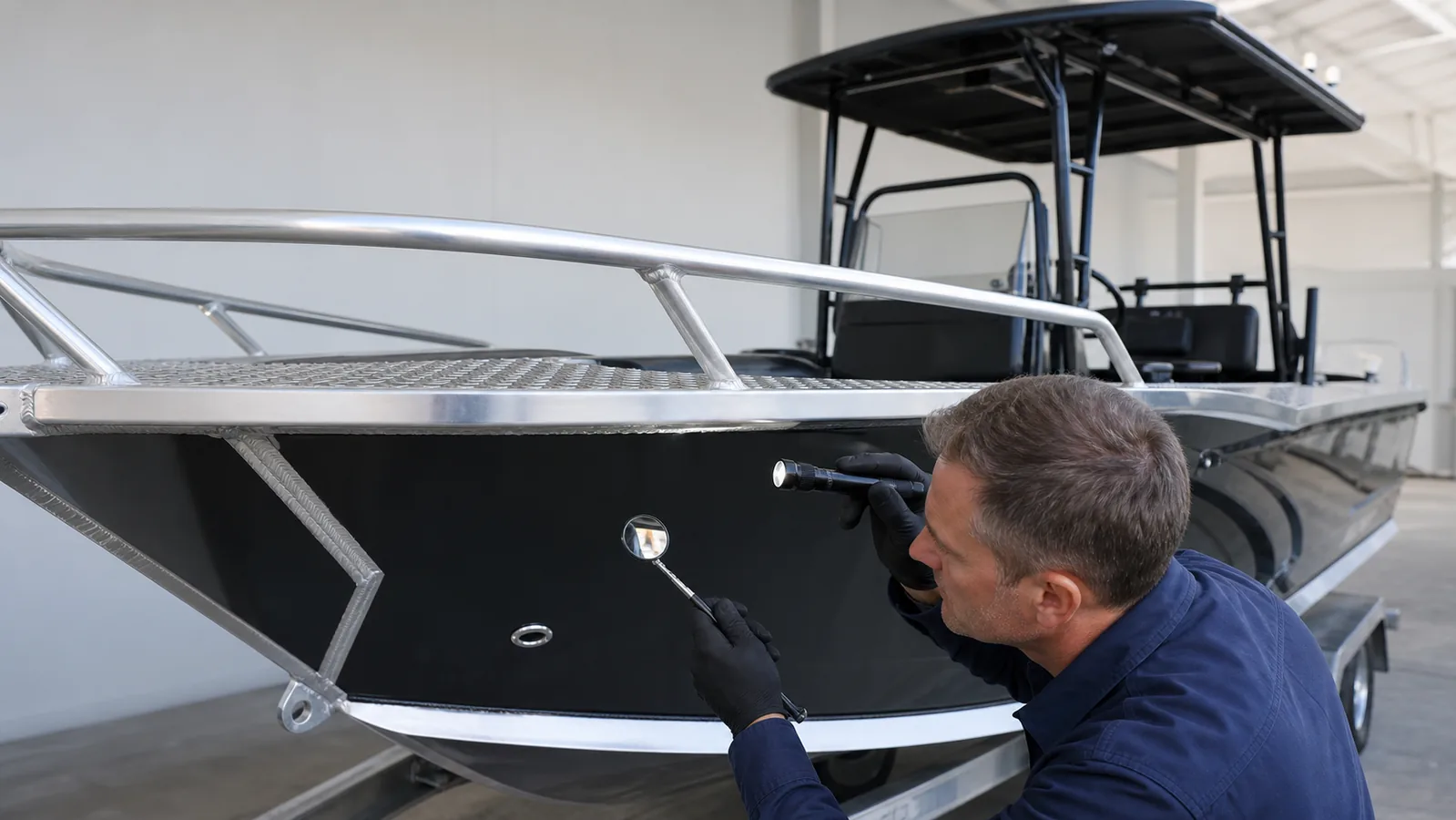
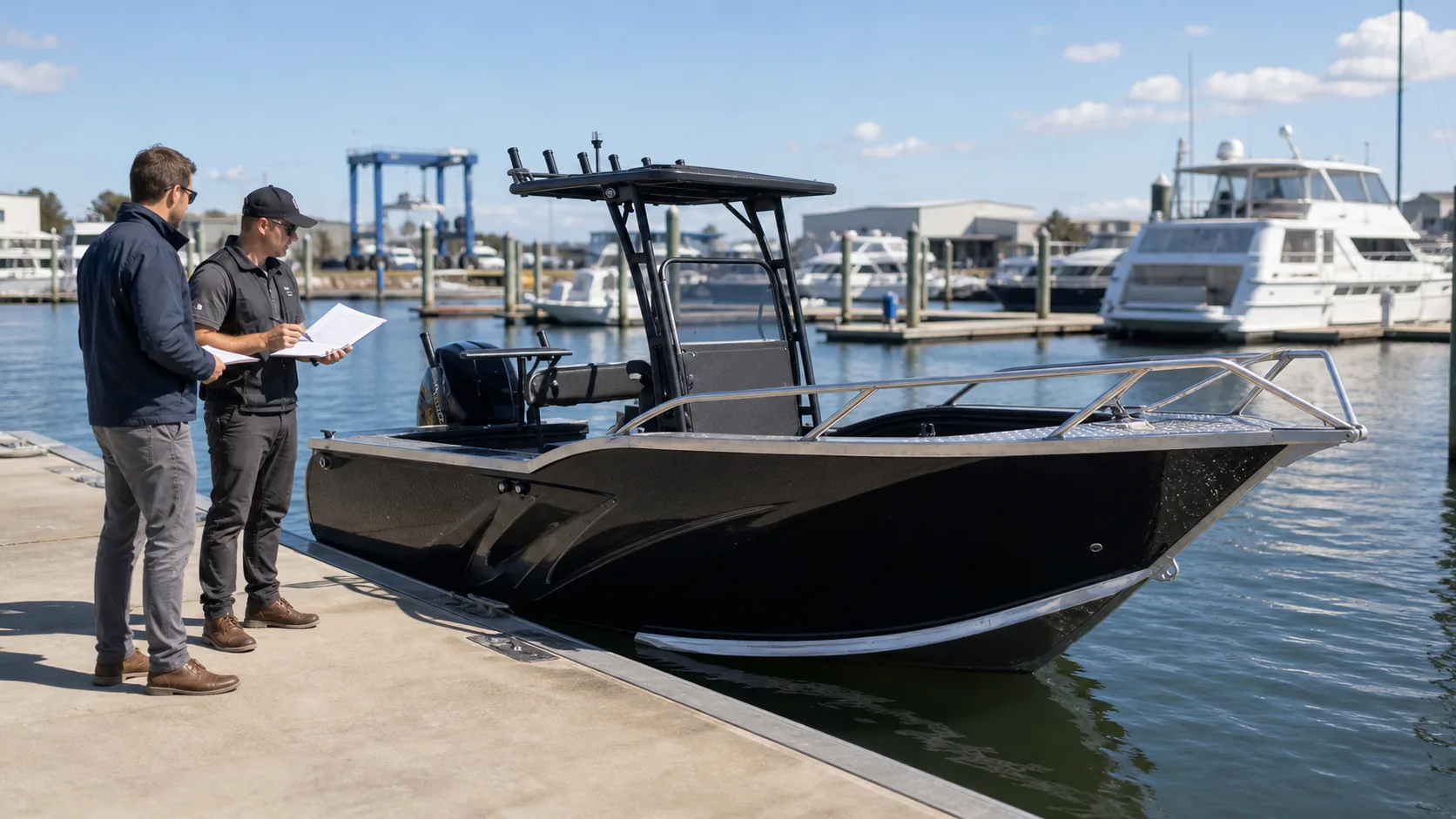
An inspection plan is useful only when it checks the agreed boat. Define which configuration records, visible workmanship points, installed items, identification details, packing and documents should be reviewed before handover.
Ask the supplier what photos, video, records or inspection opportunities are available for the confirmed project. The broader quality evidence page can help buyers prepare factory questions, while the center-console supplier checklist covers supplier comparison in more detail.
8. Plan the import and handover boundary separately
OEM customization and import preparation are related but should not be mixed into one vague promise. State the destination port or delivery point, packing expectation, trailer or cradle need, local rigging plan and intended handover stage.
Use the aluminum fishing boat import checklist to prepare destination documents, inspection, shipping and buyer-responsibility questions. Verify customs, tax, registration and operating requirements with qualified destination providers and relevant authorities.
9. Design the first order to support repeat supply
A first OEM order should create useful learning for later decisions. Define what the dealer needs to validate: model-market fit, option clarity, showroom response, customer feedback, local rigging workflow or after-sales communication.
Keep a final record for each configuration. It should connect the approved model, options, drawings, branding, buyer-supplied items, inspection evidence and quotation. A repeat order can then start from an identifiable baseline instead of rebuilding the project from memory.
Quote-ready OEM aluminum fishing boat checklist
- Company, buyer type and target sales territory
- Target customer and intended fishing or commercial use
- Preferred platform direction and expected quantity
- Essential layout and equipment functions
- Items expected as included, optional, buyer-supplied or excluded
- Branding and approval requirements
- Destination, packing and handover boundary
- Required documents based on local verification
- Inspection and acceptance expectations
- Authorized buyer approver and revision method
- Trial-order learning goals and repeat-supply direction
Move from customization ideas to a controlled project brief
Review the current fishing boat platforms and boat catalog. Dealers and OEM buyers can also review the dealer program.
When the market, boat role, quantity and customization priorities are clear, use the project quote form to share the brief. Kinocean can then respond with the next questions needed to define a quotation.
Always confirm current model availability, specifications, options, commercial terms and destination requirements in the formal project documents.
Share this article
Have a boat project in mind?
Share your market, quantity plan and boat use. Kinocean can help narrow the model direction before you request a detailed quote.